01 · Application
State the vehicle, axle position and use. Keep an aftermarket wheel reference separate from the vehicle application.
INDEPENDENT WHEEL-END PROCUREMENT
Researching Gorilla Automotive for a business order? SpokeFlow Sourcing helps US buyers turn that reference into a fitment brief and compare factory quotes for alternatives. Independent sourcing service. We are not a manufacturer or an authorized dealer. We have no affiliation with Gorilla Automotive.
Request Factory Quotes Open the RFQ checklist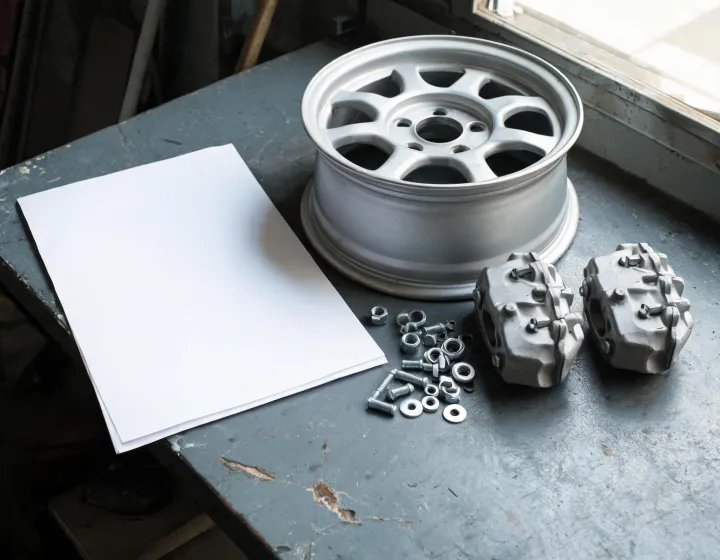
State the vehicle, axle position and use. Keep an aftermarket wheel reference separate from the vehicle application.
Send both diameters for centering rings; for fasteners, confirm thread and wheel seat independently.
Describe wheel material, corrosion exposure and duty. Ask which load or test limits actually apply to the proposed part.
Request the drawing revision, material and finish for the quoted part number. Record what the supplier has yet to answer.
Specify whether counts mean loose pieces, complete wheel sets or service kits. Ask for the carton count and packing assumptions.
Compare the same currency, destination, shipment window and delivered scope; keep tooling and sample charges separate.
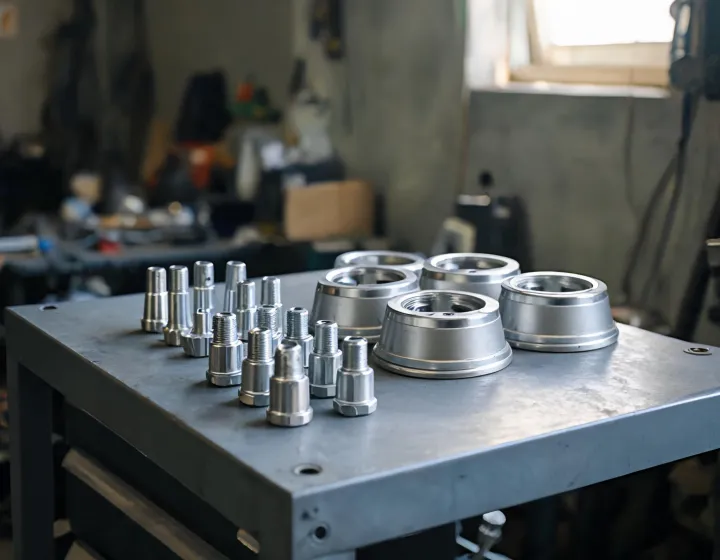
Bring thread diameter and pitch, seat profile, stud protrusion, tool access and the quantity per pack. Two matching threads can still require different seats.
View product optionsCompare sensor protocol, valve construction and the intended service procedure.
Specify wheel finish, attachment method, mass range and the installation environment.
Start with the hub pilot and wheel bore measurements; use the checklist to record both.
Separate catalog fitment data from supplier evidence.
Confirm seat and wrench clearance before batch approval.
Record vehicle groups and application exceptions.
Bring customs, packaging and delivery assumptions into one comparison.
If all you have is a part label or a wheel drawing, identify what it belongs to and which measurements still need verification. We can help structure the request before asking suppliers to quote.
Request Factory QuotesBusiness buyer support
Eligible first orders may receive up to 3%.
Eligibility applies to qualified business buyers and is confirmed after we review your product, quantity, destination, and sourcing requirements.
Request Factory Quotes